With the help of the Sustainability Open Innovation Challenge, Singapore-based company Big Tiny has successfully deployed its unique, eco-friendly tiny houses for locals to escape urban woes without leaving the country.
Picture the perfect retreat away from the hustle and bustle of a metropolis, with serene, natural landscapes just within reach—no long drives or expensive flights required. Big Tiny, a Singapore-based company has made this dream a reality by offering urban dwellers access to idyllic locations through their compact, eco-friendly accommodations.
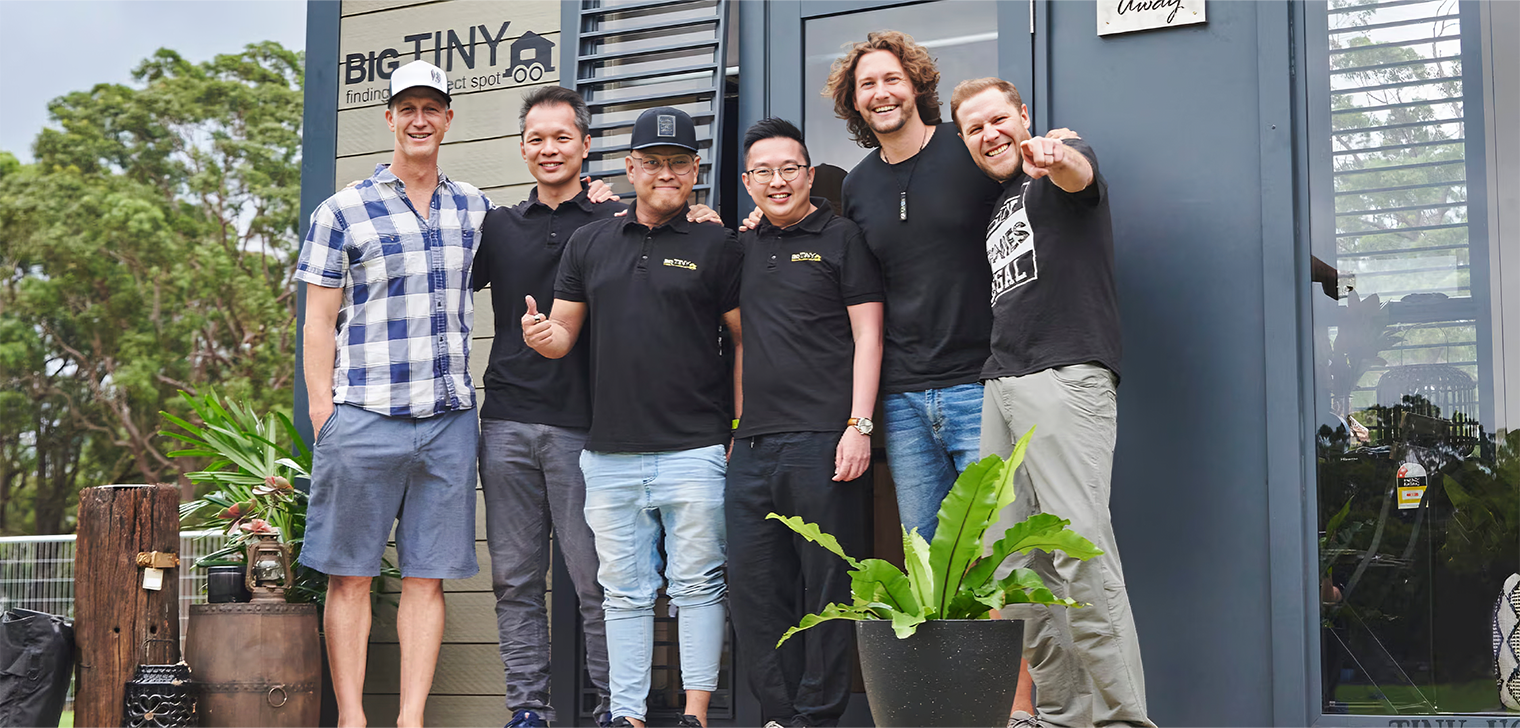
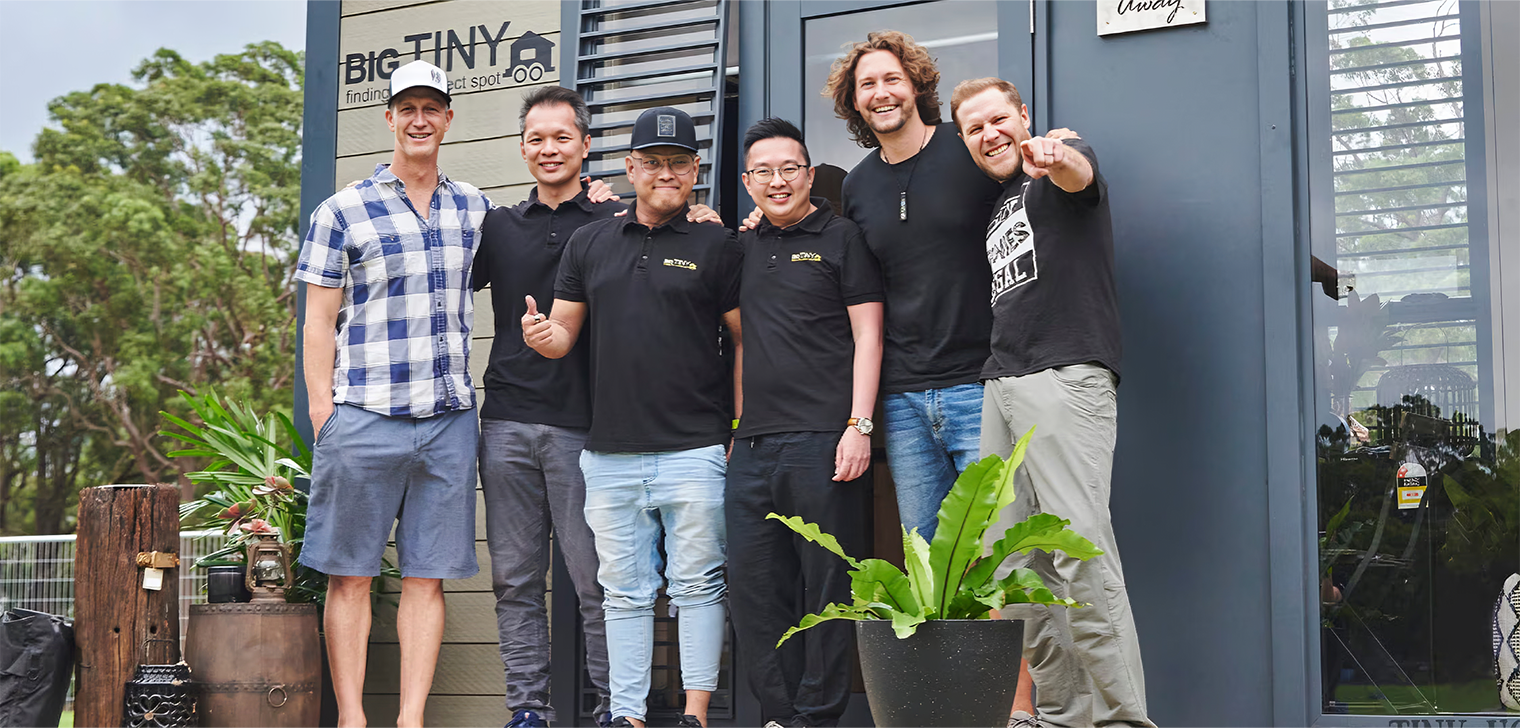
Co-founded in 2017 by Adrian Chia, Dave Ng and Jeff Yeo, the trio behind Big Tiny was inspired by the tiny house movement and saw its potential in shaping a sustainable tourism model.
“After experiencing the stunning landscapes along Australia’s Great Ocean Road, Adrian returned to Singapore with a vision: to use the ‘tiny house’ concept as a means for rural landowners to share their beautiful natural surroundings with urban dwellers seeking refuge from the grind of city life,” shared Yeo.
Since its inception, Big Tiny has grown steadily, extending its reach to countries like Australia, New Zealand, Italy, Taiwan and Malaysia, with an impressive 209 tiny houses available for short-term rentals.
In a bid to broaden its presence in its home country, Big Tiny participated in the 2020 Sustainability Open Innovation Challenge organised by EnterpriseSG and IPI. The event proved to be fruitful, where they caught the attention of a local statutory board in search of eco-friendly, self-sufficient accommodation to boost tourism in the city-state’s Southern Islands.
“Our long-standing commitment to sustainable innovation and crafting unique guest experiences has set us apart in the competitive hospitality industry,” said Yeo. “We also prioritise engagement with landowners and local communities to ensure our tiny houses blend seamlessly into the natural environment while delivering economic benefits to rural and regional areas.”
Following several productive discussions, the collaboration facilitated by EnterpriseSG and IPI culminated in the establishment of a test bed on Lazarus Island. Five compact, eco-friendly units, built with sustainable materials and outfitted with solar panels and a biodigester that converts food waste into compost, were dispersed on the island. Each tiny house boasts a distinct theme—ranging from British colonial and industrial to retro and modern—to showcase Singapore’s rich history.
“The idea for Tiny Away Escape @ Lazarus Island arose as international borders shut down during the COVID-19 pandemic, inspiring us to bring our eco-tourism concept to our home base,” added Yeo. “Collaborating with IPI has been instrumental to our growth here, enabling us to gain insights into emerging trends and technologies while tapping into our partners’ expertise and resources, which positions us for further success in a rapidly evolving business landscape.”
Though the team encountered challenges during the project’s deployment, like transporting the tiny houses amidst changing tidal conditions and making sure to minimise their environmental impact, they successfully overcame these obstacles. From conducting a tidal study to redesigning trailers for better support, together with the strong support network with the various agencies and partners involved, the team’s dedication and ingenuity eventually resulted in a seamless operation and punctual completion of the project.
The Tiny Away Escape project has since been well-received, with visitors flocking to experience these special, eco-friendly accommodations. The project's success highlights the benefits of collaborating with IPI, from fostering connections and exchanging knowledge to promoting innovation and growth.
“Our corporate values and sustainability goals are well-aligned with IPI,” said Yeo. “Thanks to the Sustainability Open Innovation Challenge, we had the valuable opportunity to not only showcase our distinctive eco-tourism concept but also network with like-minded individuals and corporations to encourage more sustainable practices through meaningful collaborations.”
Looking to the future, Big Tiny aims to further extend its eco-tourism reach and cultivate more sustainable practices through meaningful collaborations. With the support of IPI, the company is poised to make a lasting, positive impact on the environment and the world of sustainable tourism.
As urbanisation intensifies, city dwellers increasingly seek accessible escapes from the stresses of metropolitan life. However, traditional tourism often requires long-distance travel, which can be costly, time-consuming, and environmentally taxing. The onset of the COVID-19 pandemic further restricted international travel, amplifying the need for local alternatives that offer respite without compromising sustainability. Big Tiny recognised a gap in the Singaporean hospitality market for unique, eco-friendly accommodations that could provide a nature-centric retreat within the country’s borders. The company aimed to introduce its tiny house concept locally, but faced challenges in finding suitable partners, navigating regulatory requirements, and ensuring that their sustainable model could be effectively integrated into Singapore’s urban and natural landscapes. Additionally, the project required collaboration with landowners and statutory boards to secure locations that would both appeal to guests and align with environmental goals. Ensuring that the tiny houses blended seamlessly into the natural environment, minimised ecological impact, and delivered economic benefits to local communities was a complex undertaking that demanded innovative solutions and strong partnerships.
IPI Singapore facilitated Big Tiny’s participation in the 2020 Sustainability Open Innovation Challenge, connecting the company with key partners and a local statutory board seeking eco-friendly, self-sufficient accommodations to boost tourism in Singapore’s Southern Islands. Through this platform, IPI enabled Big Tiny to showcase its innovative tiny house concept, gain valuable insights into emerging trends and technologies, and access a network of like-minded collaborators. With IPI’s support, Big Tiny established a test bed on Lazarus Island, deploying five compact, eco-friendly units constructed from sustainable materials and equipped with solar panels and a biodigester that converts food waste into compost. Each tiny house was uniquely themed to reflect Singapore’s rich history, enhancing guest experience while promoting environmental stewardship. The collaboration provided Big Tiny with the resources and expertise needed to overcome logistical and regulatory hurdles, ensuring the project’s successful and timely completion.
"Our corporate values and sustainability goals are well-aligned with IPI. Thanks to the Sustainability Open Innovation Challenge, we had the valuable opportunity to not only showcase our distinctive eco-tourism concept but also network with like-minded individuals and corporations to encourage more sustainable practices through meaningful collaborations."
Big Tiny is a Singapore-based company co-founded in 2017 by Adrian Chia, Dave Ng, and Jeff Yeo. Inspired by the global tiny house movement, the founders envisioned a sustainable tourism model that connects urban dwellers with nature through compact, eco-friendly accommodations. Since its inception, Big Tiny has expanded internationally, offering over 200 tiny houses for short-term rental in countries such as Australia, New Zealand, Italy, Taiwan, and Malaysia.